
Why Renting a Storage Unit Makes Moving to Victoria, BC Easier

Moving to Victoria, BC is an exciting opportunity. Whether you’re relocating for work, school, retirement, or simply seeking a better lifestyle, the city offers beautiful scenery, a thriving economy, and a welcoming community. However, moving can also be stressful, especially when you’re trying to manage timelines, downsize belongings, or settle into a new home.

Renting a storage unit during your move can make the move easier. Here are some of the top reasons why people moving to Victoria rent a self-storage unit.

  1. Bridge the Gap Between Move-Out and Move-In Dates

One of the biggest challenges during a move is managing timing. Your new home may not be ready when you need to leave your current place. Delayed possession dates, renovations, and travel schedules can create unexpected gaps.

A storage unit provides a secure place to keep your belongings until you’re ready to move them into your new home. Instead of rushing your move or cluttering temporary accommodations, you can store your items safely and access them when needed.

  1. Make Downsizing Less Stressful

Many people moving to Victoria are downsizing from larger homes in other cities. Whether you’re retiring, moving into a condo, or enjoying a more simple lifestyle, it can be difficult to decide what to keep and what to part with.

A storage unit gives you additional time to sort through your belongings without making rushed decisions. Family heirlooms, seasonal decorations, furniture, and sentimental items can remain safely stored while you determine what fits best in your new space.

  1. Reduce Clutter During the Moving Process

Moving is much easier when you have fewer items in the way. By placing non-essential belongings into a self storage unit, you can create a more organized moving experience.

This can be especially helpful if you’re staging your home for sale. A clutter-free home often appears larger, cleaner, and more appealing to potential buyers. Storing excess furniture and personal items can help showcase your property’s best features and potentially attract stronger offers.

  1. Keep Belongings Safe During Renovations

Many people purchase homes in Victoria that require updates or renovations before they can fully move in. Painting, flooring installation, kitchen upgrades, and other projects can create dust, debris, and limited living space.

Rather than moving furniture and boxes from room to room, you can keep your belongings protected in a storage unit until the work is complete. This helps prevent damage and makes renovations more efficient.

  1. Ideal for Students and Temporary Residents

Victoria is home to several post-secondary institutions, including the University of Victoria and Camosun College. Students and temporary residents often need flexible storage solutions during semester breaks, internships, or housing transitions.

A storage unit provides a convenient place to keep furniture, electronics, and personal belongings without having to transport everything back home between terms.

  1. Store Seasonal and Recreational Equipment

Victoria’s mild climate and outdoor lifestyle encourage residents to enjoy activities such as cycling, kayaking, camping, and golfing. However, these items can take up valuable space in apartments, condos, and garages.

Self-storage offers a practical solution for keeping recreational equipment organized and accessible while freeing up space at home.

  1. Enjoy Greater Flexibility During Your Move

Every move comes with unexpected challenges. Having a storage unit available gives you greater flexibility to manage changes in your schedule, housing arrangements, and moving plans.

Instead of feeling pressured to complete everything at once, you can move at your own pace and focus on settling into your new Victoria home.

Whether you’re relocating across British Columbia or moving to Victoria from another province, U-Lock Mini Storage can help simplify the process. With secure, convenient, and flexible storage options, you can enjoy peace of mind knowing your belongings are protected while you navigate your move. If you have any questions about renting a self storage unit, please get in touch and our team will be happy to help!
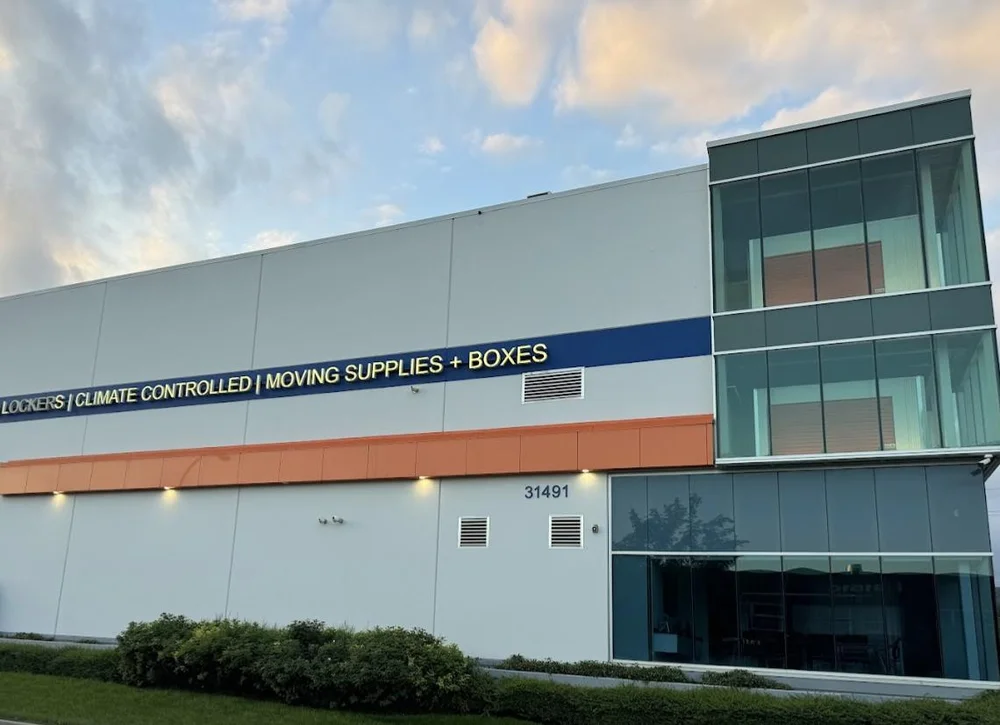

Why You Should Rent Storage at U-Lock Mini Storage Mission

When life gets busy, space often becomes a challenge. Whether you’re moving, downsizing, running a business, or simply trying to declutter, extra storage can make all the difference. That’s where U-Lock Mini Storage in Mission, BC comes in — offering secure, convenient, and affordable storage solutions for every need.

  1. Convenient Location

Located right in Mission, U-Lock Mini Storage Mission is easily accessible from BC Highway 7 / Lougheed Hwy, and neighbourhoods. Whether you’re making a quick stop after work or during a weekend move, the central location saves you time and hassle.

  1. A Variety of Storage Unit Sizes

If you just need a small storage unit for seasonal items, or perhaps you’re looking for a larger space to hold furniture during a move. U-Lock Mini Storage offers a wide range of storage unit sizes, so you only pay for the space you actually need.

  1. Security You Can Trust

Your belongings deserve to be safe. U-Lock Mini Storage takes security seriously, with features like gated access, surveillance cameras, and well-lit facilities. You’ll have peace of mind knowing your items are protected.

  1. Flexible and Economical Options

Life changes quickly, and your storage needs might too. U-Lock Mini Storage Mission offers flexible rental terms. Whether you need storage for a month or for the long haul, we have what you need. Plus, with competitive rates, you’ll find an option that fits your budget without sacrificing quality.

  1. Perfect for Personal or Business Use

From homeowners to business owners, U-Lock Mini Storage Mission has a solution for everyone. Use your storage unit to store extra inventory, documents, or equipment. Or free up space at home by storing holiday decorations, sports gear, or family keepsakes.

  1. Friendly, Local Service

When you rent from U-Lock Mini Storage Mission, you’re not just getting space, you’re working with a local team that understands the community. Their staff are always ready to help you choose the right unit and answer any questions.

If you’re in Mission, Maple Ridge, or Abbotsford, and need extra space, U-Lock Mini Storage Mission is the top choice. With secure, flexible, and economical options, it’s the stress-free way to gain the space you need! Get in touch today.

How to Make Moving Easy and Smooth

Let’s be honest: no one really looks forward to moving day. The stress, the last-minute packing, the scramble to find enough help or a big enough truck—it’s not exactly most people’s idea of fun. But what if there was a way to make it all a little less chaotic? A little less rushed? A little… easier?

Temporary storage units are the perfect solution to your problem.

Whether you’re moving across town, downsizing, upsizing, or just shifting from one place to another, renting a temporary storage unit can be incredibly useful to you.

Why Is Moving So Stressful Anyway?

First, let’s start with why is moving day so stressful?

For starters, you’ve got a limited window of time. You’re trying to pack, load, move, and unload everything in one single day. That’s a big ask especially if you’ve got a lot of stuff.

Then there’s the logistics. Maybe you’re trying to coordinate friends or family to help, or trying to book a moving truck for just the right time. And don’t even get us started on the physical labor involved which includes lifting, carrying, sweating, repeat.

But probably the biggest hurdle of all is just the sheer volume of stuff. Furniture from every room. Closets full of clothes. Kitchen gadgets. Bins of holiday decorations. Bikes, books, toys, tools, workout gear, to name a few. It all has to go somewhere, and often it all has to go in one day.

Solution: Temporary Storage Units

This is where temporary storage units come in handy. Storage unit rentals are typically month-to-month. That means you can start moving things in before moving day, giving yourself a major head start. Not everything needs to go with you all at once. You can pack up seasonal items, extra furniture, or anything you won’t need immediately and store it in your unit.

Suddenly, you’re not trying to move a full household in one go. On the big day, you just take your essentials: your bed, your coffee maker, the kids’ favorite toys, and maybe the TV. Everything else? It can wait. Move it in gradually over the following days or even weeks when you’re not so pressed for time.

Space for Every Situation

Whether you’re storing just a few boxes or an entire room’s worth of furniture, there’s a storage unit size for you. They come in all shapes and sizes—from 4’x7’ lockers for small loads to 10’x10’ and larger units that can hold entire rooms (or even vehicles). If you have any questions about storage unit sizes, please contact us and our team is more than happy to help!

Set Yourself Up for a Fresh Start

Another bonus? When you use a storage unit, you have more time to think about what you’re bringing into your new place. Maybe you’ll decide you like the minimalist look of your new space and don’t need to bring everything back. Great! You can keep items in storage for as long as you want or start downsizing at your own pace.

So, Should You Rent a Storage Unit?

If you’re facing an upcoming move and feeling overwhelmed, a temporary storage unit is one of the easiest ways to make things easier for you. You don’t have to do it all in one day. You don’t need to stress about the logistics. And you certainly don’t need to live in chaos during the move.

If you have any questions about self storage rental, please contact the U-Lock Mini Storage team and we will be happy to answer questions you have!

How to Store a Car in a Storage Unit and Keep It in Good Shape

Planning to store your car? Here’s a simple guide to help you prepare it for long-term car storage and keep it in good shape.

Why Proper Car Storage Matters

Storing a car properly is important to protect your investment, especially if you’re not going to use it for a while. While it’s fine to keep a car outside for a short time, it’s best to store it indoors if it’s going to be parked for three months or more. This helps prevent damage from weather and other factors.

Steps to Store Your Car

Choose the Right Storage Unit Size

Measure your car to make sure the storage unit is big enough. Compact cars usually fit in units that are 15 feet deep or more. Larger cars need units that are at least 20 feet deep.

Prepare Your Car

  • Fill the gas tank and add a fuel stabilizer to prevent moisture.
  • Remove the battery to avoid damage from acid.
  • Check and top off fluids like oil, brake fluid, and antifreeze.

Protect Your Car

  • Wash and wax the car to protect the paint.
  • Clean the interior to prevent odors and pests.
  • Use a breathable car cover to keep dust and dirt off.

Prevent Tire Damage

If storing for more than a month, use blocks or jack stands to lift the car and prevent flat spots.

If you can’t use blocks, inflate the tires to the maximum recommended pressure.

Store Your Car Safely

  • Keep the car’s top up and windows closed if it’s a convertible.
  • Choose a dry and dark storage space to prevent rust and damage.

For more information or to rent car storage, please contact us and we will be happy to help.

How to Prepare an RV for Storage

When you’re getting ready for RV storage for a long time, follow these steps to clean and maintain it so it stays in great condition for next year:

Clean Out Your RV

    Remove all food, liquids, toiletries, and other items that might spoil, cause a mess, or attract pests. Vacuum the inside, scrub the fridge, wipe down surfaces, and wash the outside. Drain the sewage system with a black tank flush, usually found at campgrounds, to prevent odors from building up.

    Take Care of Your Tires

      Check the tread and pressure of your tires, and do any necessary maintenance. Once your tires are properly inflated, cover them to protect them from UV rays, especially if your RV will be stored outside.

      Prep the Interior

        Run a dehumidifier to prevent mold and mildew. Keep the fridge and cabinets open to prevent moisture and odors. Empty all trash cans before the RV storage.

        Prep the Exterior

          Look for cracks or split seams and seal them to prevent moisture from getting inside. Turn off the propane system to prevent leaks and fires. Wax the outside of your RV to protect it, and use a fitted, breathable cover to shield it from UV rays, extreme weather, and tree sap.

          Prepare for Winter

            Before it gets cold, winterize your RV. Drain any existing water, add RV antifreeze, unplug electronics, and change the oil and filter.

            Store the Battery

              Remove the fully charged battery, clean off any corrosion, and store it in a dry place at room temperature.

              Add a Fuel Stabilizer

                Add a fuel stabilizer to protect the engine. First, flush the engine to remove debris, then add the stabilizer to maintain engine performance.

                By following these steps, you’ll help ensure your RV is ready to go when you take it out of storage.

                Essentials Tips for First-Time Renters

                At U-Lock Mini Storage, we know that renting a storage unit can feel overwhelming, especially if it’s your first time. Maybe you’ve just moved to a new city and need a place to store your extra stuff. Or perhaps you’re downsizing your home temporarily and need somewhere to keep your belongings safe. Whatever your situation, our team is here to help you navigate the process.

                Here are some self storage tips to help you along the way:

                1. Find the Best Deals: Before you rent, do some research to find the best deals in your area. Many facilities offer discounts and specials, so be sure to shop around.

                2. Choose the Right Size: Don’t guess when it comes to the size of your storage unit. Take inventory of what you plan to store and measure larger items to ensure you choose the right size.

                3. Indoor vs. Outdoor: Consider whether you need an indoor or outdoor unit. Indoor units may cost more but offer added protection, while outdoor units are convenient for larger items.

                4. Get Insurance: Make sure your belongings are protected by getting insurance for your storage unit. This can be done through renter’s insurance, homeowner’s insurance, or through the storage facility itself.

                5. Keep Your Belongings Safe: Invest in a sturdy lock for your unit and make sure the facility has adequate security measures in place.

                6. Organize Your Unit: Plan how you’ll organize your unit before you start packing. Use shelves or pallets to keep items off the floor and create aisles for easy access.

                7. Pack Correctly: Pack your items carefully to avoid damage. Use plastic totes instead of cardboard boxes and consider climate-controlled storage for fragile items.

                8. Give Proper Notice: If you plan to move out, make sure you give proper notice to avoid extra charges. Familiarize yourself with the facility’s rules and payment schedule to avoid any surprises.

                Renting a storage unit doesn’t have to be complicated. With these tips in mind, you’ll be well on your way to finding the perfect storage solution for your needs. Happy storing!

                5 Important Questions to Ask When Hiring a Moving Company

                Hiring a moving company is a key decision when it comes to relocating your home or office. Entrusting your belongings to professionals can alleviate the stress and physical strain associated with moving. However, choosing the right moving company requires careful consideration. To ensure a smooth and hassle-free moving experience, we’ve compiled a list of five important questions to ask before hiring a moving company. By asking these questions and obtaining the necessary information, you can make an informed decision and ensure your belongings are in good hands.

                Are They Licensed and Insured?

                The first question to ask a moving company is whether they are properly licensed and insured. A reputable moving company should hold the necessary licenses and comply with local regulations. Additionally, they should have liability coverage to protect your belongings in case of damage or loss during the move. Request proof of their licensing and insurance to ensure they are adequately prepared to handle your move.

                What Services Do You Provide?

                Understanding the range of services offered by a moving company is essential. Some companies may only provide transportation, while others offer additional services such as packing, unpacking, and self storage. Determine your specific needs and inquire about the services they offer. This will help you assess whether the company can meet your requirements and simplify the moving process.

                How Do You Determine Pricing?

                Pricing is a critical factor when choosing a moving company. Ask for a detailed breakdown of their pricing structure. Do they charge by the hour, by weight, or by distance? Are there any additional fees for specialized items or services? Obtain a written estimate that includes all costs involved to avoid any surprises on moving day. It’s also beneficial to compare quotes from multiple companies to ensure you’re getting a fair price.

                Can You Provide References or Testimonials?

                A reputable moving company should have no qualms about providing references or testimonials from previous clients. Ask for contact information of customers who have recently used their services. Reach out to these references and inquire about their experiences with the company. This will give you insights into their professionalism, reliability, and the quality of their service.

                What is Your Complaint Resolution Process?

                Even the most reputable moving companies may occasionally encounter issues or customer complaints. Inquire about their complaint resolution process and how they handle any concerns that may arise during the move. A reliable company should have a clear protocol for addressing customer feedback and resolving issues in a timely and satisfactory manner. This demonstrates their commitment to customer satisfaction.

                Conclusion

                Hiring a reputable moving company is crucial to ensure a successful and stress-free move. By asking these five important questions, you can gather essential information to make an informed decision. Confirm their licensing and insurance, understand the services provided, clarify the pricing structure, seek references or testimonials, and inquire about their complaint resolution process. Taking the time to ask these questions will give you peace of mind and help you select a reliable moving company that will handle your belongings with care.

                5 Kitchen Organization Tips to Make the Most of a Small Space

                A small kitchen can be a challenge to organize, but with the right tools and mindset, you can make the most of the space you have. Here are 5 kitchen organization tips that will help you maximize your small kitchen space while keeping it tidy and functional.

                Use Vertical Space

                When it comes to small kitchen organization, utilizing vertical space is key. Invest in shelves or racks that you can attach to the walls or hang from the ceiling. This will give you more storage space for items like pots, pans, and utensils.

                Another way to use vertical space is to install a pegboard. This is a great option for storing items like cutting boards, colanders, and measuring cups. Plus, it adds a decorative touch to your kitchen.

                Maximize Cabinet Space

                Cabinet space is precious in a small kitchen, so it’s important to make the most of it. One way to do this is by using risers inside your cabinets. This allows you to stack items like plates and bowls without taking up too much space.

                Another option is to install pull-out shelves. This makes it easier to access items that are stored in the back of the cabinet without having to take everything out first.

                Use Drawer Dividers

                Drawers can quickly become a mess in a small kitchen. That’s why it’s important to use drawer dividers to keep everything in its place. This is especially useful for storing utensils, as it prevents them from getting tangled up.

                You can also use drawer dividers to store other items like baking sheets, cutting boards, and even Tupperware lids. This will make it easier to find what you need and prevent clutter from accumulating.

                Get Creative with Storage Units

                If you still need more storage space in your small kitchen, consider renting a storage unit. This is a great option for storing items that you don’t use on a regular basis, like holiday dishes or small appliances.

                At U-Lock Mini Storage, we offer a variety of storage unit sizes to fit your needs. Our facilities include storage units in Victoria, storage units in Parksville, storage units in Nanaimo, storage units in Burnaby, storage units in White Rock and Surrey, and storage units in Chilliwack.

                In addition to renting a storage unit, you can also get creative with other types of storage units. For example, you can use a bookshelf to store dishes or a wine rack to store bottles and glasses. The possibilities are endless!

                Use Multi-Purpose Items

                When you’re working with a small kitchen, it’s important to make every item count. That’s why it’s a good idea to invest in multi-purpose items. For example, you can get a cutting board that also doubles as a serving tray.

                You can also use a utensil holder as a vase for flowers or a Mason jar as a drinking glass. This not only saves space, but it also adds a personal touch to your kitchen.

                In conclusion, a small kitchen doesn’t have to be a source of frustration. By using vertical space, maximizing cabinet space, using drawer dividers, getting creative with storage units, and using multi-purpose items, you can make the most of the space you have while keeping your kitchen organized and functional. And if you still need more storage space, consider renting a storage unit from U-Lock Mini Storage.

                Questions You Should Ask When Renting a Storage Unit

                1. What are the requirements to rent a storage unit?

                You just need a valid, government-issued form of ID to rent your storage unit. Options include a driver’s license, passport, state ID or military ID. When reserving the storage unit, you’ll need to sign a binding storage unit agreement or contract. Needless to say, make sure to read it thoroughly first.

                1. What size storage unit should I rent?

                The storage unit you pick depends on the number and size of items you want to store.

                Good news: at U-Lock Mini Storage, we offer a wide selection of storage unit sizes such as 5’x5’, 5’x10’, 10’x10’, 10’x15’ and 10’x20’ storage units. To see which storage unit size best serves your needs, feel free to contact us and we’ll be more than happy to help.

                Our facilities include storage units Victoria, storage units Parksville, storage units Nanaimo, storage units Burnaby, storage units White Rock and Surrey and storage units Chilliwack.

                1. For how long can I rent a storage unit?

                Typically, you can rent a storage unit for as long as you like. Some people even rent storage units indefinitely as an extra space for personal or work-related items. At U-Lock Mini Storage, we offer month-to-month rental so our clients only need to rent storage units according to their needs.

                1. How is the cost of a storage room for rent determined?

                The cost of a storage unit is typically based on the size of the storage unit and the floor level on which the storage unit is. For example, a larger storage unit on the ground level, which is more easily accessed, will have a higher storage price.

                1. How does the payment work?

                You’ll be paying once a month on or before the date specified in your rental agreement.

                If you default on your payment (anywhere between 5 to 30 days after the due date), the storage facility can deny you entry. The point of default should be specified in your lease. You can regain access to your unit after you pay the past-due amount. If you don’t pay your bill, per self-storage state lien laws, a storage facility has a right to hold and auction off your belongings to make up for lost rent money. This is the last resort, and you can prevent it by learning the terms of your contract, paying your monthly bill on time, and communicating with the rental facility manager as soon as possible if you’re having any issues.

                1. How do I get my belongings to the storage unit?

                A full-service storage company will take care of that for you. But if you DIY, there are several options. If you don’t have many things to store, you can pack your own car and make one or a few trips to the storage facility. To transport more items than your car will hold, consider asking for a favor from a friend or a family member with a truck. Alternatively, you have the option to rent a truck. Finally, you can take advantage of free truck rentals offered by some storage companies. Storage companies like Life Storage and CubeSmart (in partnership with Penske) offer rental trucks at select locations. At U-Haul’s participating locations, all one-way truck or trailer reservations come with one-month free storage.

                1. What’s in a rental agreement?

                Your rental agreement (also referred to as a rental contract, self-storage contract or lease agreement) will specify all the terms of your lease. It’s a binding document so you should read it carefully before you sign (online or in person) and abide by what’s in the document. Generally, your rental agreement will have:

                • The description of the unit
                • Length of the lease
                • The amount of your rent
                • Your payment due date
                • The amount of your security deposit
                • How payments are accepted (credit card, check, online)
                • Non-payment terms (when a payment is considered late, what the late fee is and what happens if you stop paying rent)
                • Any additional fees (lock-cut fee, auction fee)
                • Tenant rights and responsibilities
                • Landlord rights and responsibilities
                • Cancellation terms
                • What you can and can’t store
                • The value limit, if there’s one ($5,000 is common)
                • The move-out process (when to give notice, what condition to leave the unit in)

                How to Add Storage Space to Your Garage – Part 1

                Adding storage space to a garage is a great way to organize and free up some room in your garage.

                Adding storage space to a garage is a great way to organize and free up some room in your garage. 

                Before you begin adding anything new to your garage, you will first need to organize it by sorting your things and drafting a floor plan. Once your garage is organized, you can build some shelving and install other vertical organization systems. You can also clear some space by hanging things from the ceiling or placing them in cabinets and plastic bins.

                1. Sort Your Things

                Go through the things in your garage and organize them according to function or utility. As you sort, you should also create three other piles for things that you want to recycle, throw away or donate. Once you have sorted everything and removed the things you want to get rid of, you should have a better idea of what your needs are going to be. If there are some items you want to keep but you do not have enough space at home to keep them, rent a storage unit to keep your items safe and sound.

                Be sure to responsibly dispose of any chemicals or other hazardous materials in your garage. Do not simply throw them in the trash or pour them into the drain. Contact your local hazardous waste site about disposing of these substances.

                2. Group Similar Things Together

                When sorting the things in your garage, determine what items will be stored together. Keeping similar things in groups will make it easier for you to find them later. It will also help you determine what kind of storage system to invest in.

                For example, put all of your gardening supplies in one group and your sports gear in another.

                3. Draft a Floor Plan

                Once you sort everything, make a floor plan of your garage. With a tape measure, register the measurements of the garage, paying particular attention to the windows, doors and any utilities. You should also figure out how much space you will need for your car. After you have all your measurements, plot out the dimensions of your garage on grid paper and highlight the areas where you can store things.

                4. Determine Where You Want to Place Things

                Using your floor plan, consider the types of storage space you will want to add and the space requirements of each item. Some shelving and vertical storage space systems will allow you to maximize your wall space without giving up too much floor room. Things like plastic bins and cabinets will take up more space, but they are useful for storing things in the long term.

                • Remember to keep garden tools, bikes, and other frequently used outdoor gear near the garage door.
                • Make sure that the trash and recycling bins are easily accessible from the door to the house.
                • Keep your seasonal items in the hardest-to-reach places, like the top of a shelf.